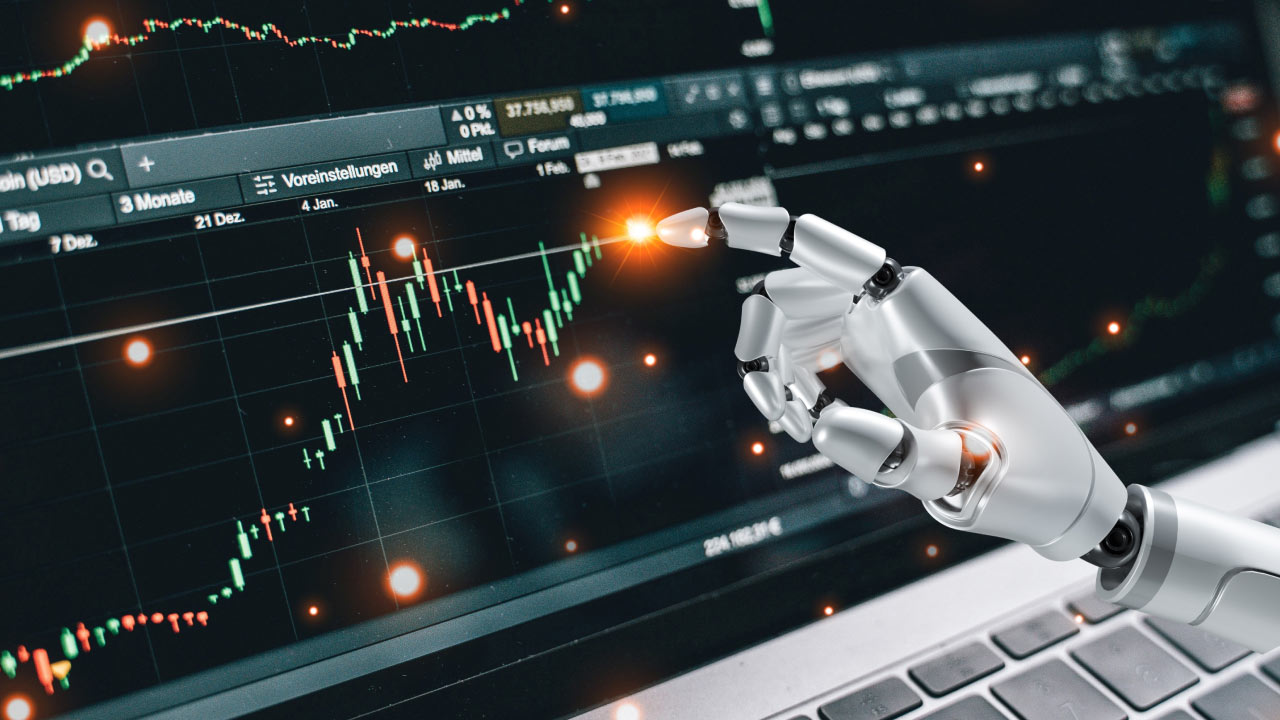
Stepping into the future trading market would be very thrilling, particularly the novices targeting the Nasdaq futures market. Nasdaq futures are characterized by their being very volatile and price movements that are very fast; they lure traders seeking for quick profit and high liquidity. Still, this same volatility may prove to be unsafe for untrained beginners who take the plunge effortlessly. Therefore, every newcomer to the trading world should undergo the process of PAPER TRADING first, prior to taking the risk of investing real money in NASDAQ FUTURES TRADING HOURS.
The present piece provides an overview of the significance of paper trading, the manner in which it equips the novices, and the grounds for its being an unavoidable step before the actual Nasdaq futures trading.
The Basics of Nasdaq Futures Trading
Nasdaq futures are contracts that derive their value from the Nasdaq-100 index, which comprises a number of the topmost tech firms in the world. Through these futures, traders can bet on the direction of price changes without having to buy the underlying shares. The upside of that is great; however, the downside is that it involves leverage that can be a two-edged sword: on one side it can lead to profits and on the other can result in losses.
For a novice, a market that is difficult to comprehend is not only the one that is the most interesting but also the one where understanding of prices behavior during NASDAQ FUTURES TRADING HOURS is essential—the aspect of volume, volatility, and liquidity that can fluctuate rapidly.
A Definition of PAPER TRADING
PAPER TRADING is a process of simulated trading where traders practice buying and selling financial instruments using virtual money instead of real funds. It replicates the real market conditions including live prices, charts, and order execution—without any financial risk for the trader.Paper trading is the training ground for beginners. It enables them to comprehend how futures contracts operate, how margin requirements are applied, and how market movements are related to positions.
Why Beginners Should Avoid Jumping Straight Into Live Trading
Most neophyte traders are sure of themselves after viewing videos or reading trading regulations. But only practical knowledge is not enough. Live markets are fast and sometimes emotions like fear and greed take over when money is involved.
Trading in NASDAQ FUTURES TRADING HOURS can be very exhilarating because of the high volatility, especially at the beginning of the market, release of economic news, and simultaneous trading with U.S. stock sessions. If they do not have prior hands-on experience, the beginners may fall into the trap of making impulsive decisions that lead to avoidable losses.
The How PAPER TRADING Builds Market Confidence
One of the biggest advantages of PAPER TRADING is confidence-building. A trader can enter a market and make a loss without any fear of losing their money. This practice takes time but eventually helps the trader to become skilled and at ease with trading platforms and order types. When inexperienced traders during the NASDAQ FUTURES TRADING HOURS switch to live trading, they already know how to handle sharp price changes and thus panic and delay are minimized.
Learning Nasdaq Futures Behavior Without Risk
Learning Nasdaq Futures Behavior Without Risk Every now and then, Nasdaq futures drift differently. Usually, price behavior in Asian sessions is less hectic whereas the U.S. sessions have abrupt changes. PAPER TRADING allows a newcomer to see these things firsthand. By practicing at different NASDAQ FUTURES TRADING HOURS, a trader can learn: When there is the highest volatility How much the price moves with respect to volume What times are the best for his trading style This is a hard-to-acquire-theoretical-knowledge.
Improving Strategy Development Through PAPER TRADING
No trading strategy comes perfect from the very beginning. New traders often need a period during which they can try out indicators, entry rules, exit strategies, and also learn different techniques of risk management. PAPER TRADING helps traders to perfect their strategies without monetary stress.
Rather than being stressed about their losses, novice traders can concentrate on the factors that lead to their trades being successful or unsuccessful. After a certain point, a very good trading strategy would be perfected in paper trading and it would then be much easier to apply it during NASDAQ FUTURES TRADING HOURS with full confidence.
Emotional Discipline Starts With Simulation
Emotions represent the most significant factor in the outcome of trading. Fear is one reason that sometimes traders exit too soon, meanwhile, greed is the other reason that leads them to overtrade. PAPER TRADING, on the other hand, allows a beginner to mask their emotional reactions while letting them recognize such reactions at the same time thus controlling their emotions during trading.
Even though simulated trading does not bring about the same emotional situations as in reality, it nonetheless imparts one the virtues of discipline, patience, and rule-following—the very skills one needs to trade successfully on the Nasdaq futures market.
Transitioning From PAPER TRADING to Live Nasdaq Futures
It is not the purpose of PAPER TRADING to simulate forever but rather to be a step forward from simulated trading to real trading. Beginners ought to switch only when they exhibit consistent performance, adherence to risk management rules, and comprehension of market timing.
When shifting to the live trading environment during NASDAQ FUTURES TRADING HOURS, novices will do best to:
1. Begin with smaller position sizes
2. Limit trades to one or two sessions each day
3. Concentrate more on proper execution and less on profits
Moving up through such a gradual transition would thus help the novice trader mitigate both emotional and financial risks.
Conclusion
Nasdaq futures trading presents exciting opportunities for beginners as well as considerable risks. Going live without any prior experience usually results in unwanted losses and irritated traders. This is where PAPER TRADING comes in as a crucial first step for every new trader.
Simulated trading provides the beginner with the ability to learn new skills, become self-assured, clear about the strategy and in control of emotions. Acquiring the knowledge of the market's behavior during the NASDAQ FUTURES TRADING HOURS through paper trading is a strong foundation for long-term success.
In futures trading, preparation is not a matter of choice—it is a must. And for the novice, paper trading is the wisest option to start with.